CIP Cleaning Techniques in the Food, Pharmaceutical, and Chemical Industries
CIP (Cleaning in Place) is a crucial process in industries such as food, pharmaceuticals, and chemicals, where cleanliness and safety standards must be strictly maintained. This process allows for the cleaning of equipment and systems without disassembling components. The CIP cleaning process can be broken down into several stages and techniques, as outlined below:
- Choosing Cleaning Chemicals
- Cleaning Agents: The selection of appropriate cleaning chemicals, such as sodium hypochlorite, nitric acid, sodium hydroxide, or specialized detergents, is essential. These agents are designed to target specific residues such as fats, proteins, or minerals.
- Temperature: The use of elevated temperatures (e.g., 70-80°C) can help dissolve fat and protein residues, making them easier to remove.
- Concentration: The concentration of the cleaning chemicals should be chosen based on the type of residues and the volume to be cleaned.
- Hot and Cold Water Rinsing
- Hot Water Rinse: Hot water is used initially to dissolve grease and other residues, as it facilitates the removal of fatty or sticky substances. The use of heat also aids in reducing bacterial contamination.
- Cold Water Rinse: Cold water is often used after the hot rinse to remove any residual cleaning agents before proceeding with the chemical cleaning steps.
- Pre-rinse Stage
- The system is rinsed with warm or cold water to remove any remaining product residues. This step is essential to reduce the amount of cleaning agents needed in the next stages and to save costs.
- The pre-rinse ensures that large particles and solid residues are removed before the application of chemicals.
- Chemical Cleaning (Chemical Wash)
- After the initial rinse, the system undergoes a chemical cleaning process, which involves the use of chemicals such as sodium hydroxide (for fat residues) or acids (for mineral build-ups).
- The chemicals should be applied at the appropriate concentration and for the right amount of time to effectively remove stubborn residues.
- Typically, a recirculating or flowing system is used to ensure the cleaning solution reaches all areas of the system.
- Rinsing with Purified Water (Rinse)
- After the chemical wash, it is essential to rinse the system with clean water several times to remove any remaining chemical residues.
- This step ensures that no cleaning agents remain in the system, and the final rinse water is often tested for pH levels to ensure that no chemicals are left behind.
- Final Sanitization (Sanitization)
- After rinsing, a sanitizing agent such as alcohol or chlorine may be used to kill any remaining microorganisms in the system.
- This step is particularly critical in the food and pharmaceutical industries, where microbial contamination must be avoided at all costs.
- Inspection and Documentation
- Once the cleaning process is complete, it is essential to verify its effectiveness through testing, such as checking for residual residues using swabs or other analytical methods.
- Data should be recorded for each cleaning cycle, including time, temperature, and concentration of cleaning agents, to ensure compliance with cleaning standards and for future quality control.
Additional Techniques:
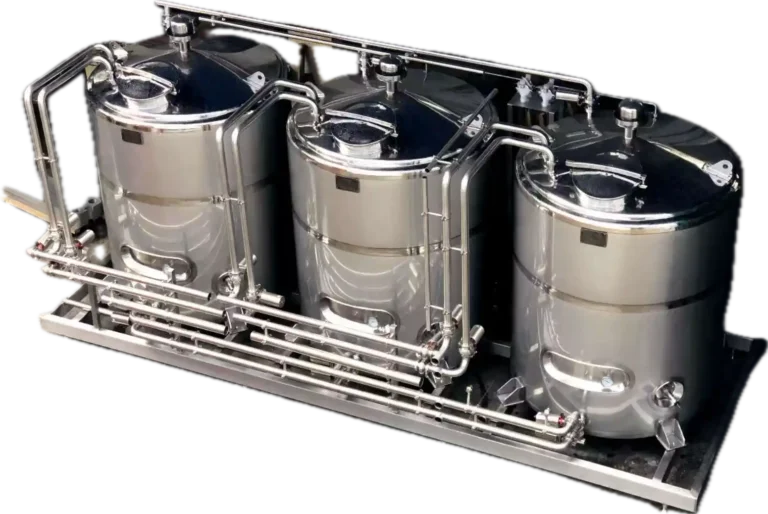
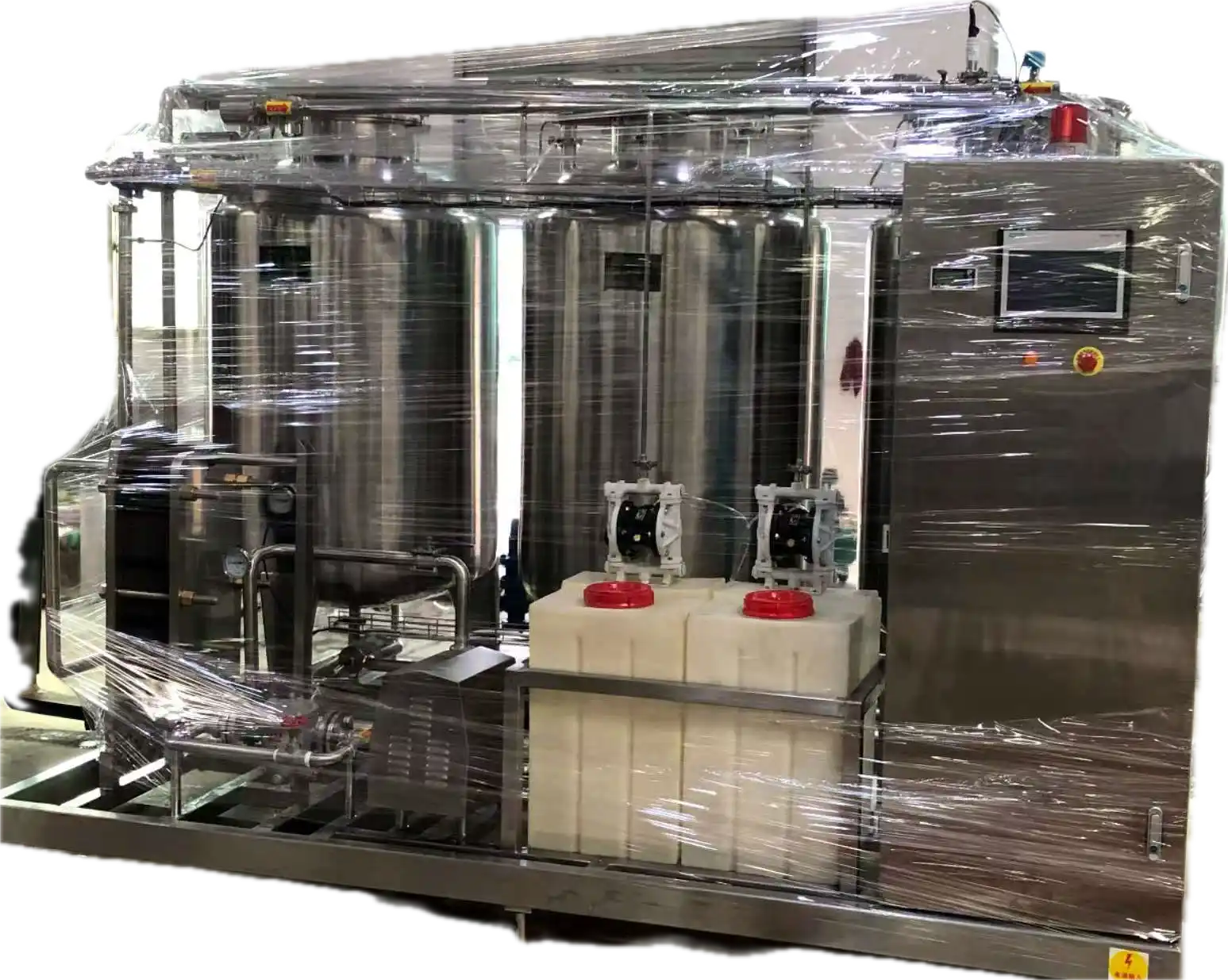
- Automated CIP Systems: Automated CIP systems improve efficiency and safety by ensuring that cleaning chemicals are applied in precise amounts and conditions. These systems can be programmed to follow standard operating procedures, which helps in maintaining consistent cleaning quality.
- Time and Temperature Control: Using the correct time and temperature ensures the optimal effectiveness of the cleaning process. For instance, higher temperatures may be used for a set amount of time to ensure fat or protein residues are fully dissolved.
- Cleaning Effectiveness Verification: After the cleaning process, tests such as UV light inspection or chemical residue analysis can be used to verify that the system has been thoroughly cleaned and sanitized.
Effective CIP cleaning not only helps maintain cleanliness but also reduces the risk of contamination in food, pharmaceutical, and chemical products. Thus, it plays a vital role in ensuring the quality and safety of products across these industries.